
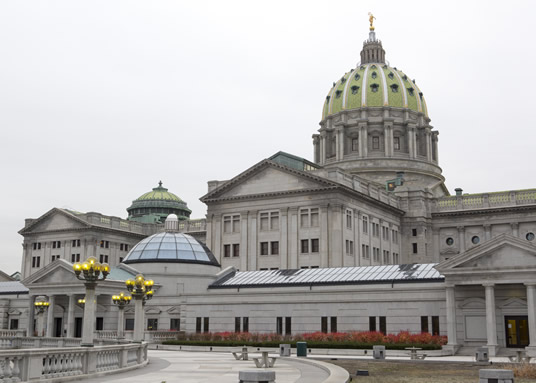
The recent Pennsylvania House Appropriations Hearing for the Pennsylvania Department of Education (PDE) shed light on a wide range of issues affecting the state’s education system, from pre-K through higher education. While the proposed budget reflects a commitment to increasing funding across the board, the hearing revealed significant challenges and inequities that demand closer scrutiny, particularly in the realm of higher education. This blog post critically analyzes the hearing’s implications for higher education in Pennsylvania, focusing on funding, accountability, and the broader societal impacts of the proposed policies.
Higher Education Funding: A Mixed Picture
The proposed budget allocates $1.7 billion for higher education ,representing an increase of $117 million from the previous year. While this increase is a positive step, it is essential to contextualize this figure within the broader education budget. Higher education accounts for only 8.6% of the total education budget, which is disproportionately low compared to the $17.9 billion allocated for pre-K through 12th grade education. This disparity raises questions about the state’s prioritization of higher education, especially given the critical role that colleges and universities play in workforce development, economic mobility, and addressing societal inequities.
One of the most notable proposals in the higher education space is the $60 million performance-based funding initiative. While performance-based funding models aim to incentivize institutions to improve outcomes such as graduation rates and job placement, they have been criticized for potentially exacerbating inequities. Institutions serving low-income and underrepresented students often face greater challenges in meeting these metrics, which could result in reduced funding for the very institutions that need it most. The ongoing public hearings to determine the metrics for this funding are crucial, and it is imperative that equity considerations are central to these discussions.
The Teacher Shortage Crisis and Higher Education’s Role
The hearing highlighted Pennsylvania’s ongoing teacher shortage, a crisis that directly impacts higher education institutions, particularly those with teacher preparation programs. PDE has implemented initiatives such as an 18-month pathway for special education certification and student teacher stipends to address this issue. The proposed budget includes a doubling of the student teacher stipend program, from $20 million to $40 million, which is a welcome step. However, this funding must be accompanied by broader reforms to make the teaching profession more attractive, including competitive salaries, improved working conditions, and support for early-career educators.
Higher education institutions must also play a proactive role in addressing the teacher shortage. This includes expanding alternative certification pathways, strengthening partnerships with K-12 schools, and advocating for policies that support the teaching profession. The hearing’s focus on civic education and the need for reforms to Act 35 also underscores the importance of preparing educators who can effectively teach students about their civic responsibilities, a critical component of a functioning democracy.
Charter Schools and Higher Education: A Missed Connection?
While much of the hearing focused on charter school reform, particularly the proposed $8,000 flat rate for cyber charter tuition, there was little discussion about the implications of these reforms for higher education. Charter schools, particularly those with low proficiency rates, may be sending underprepared students to colleges and universities, placing additional burdens on higher education institutions to provide remedial education. This issue warrants further exploration, as it highlights the interconnectedness of the K-12 and higher education systems.
Moreover, the $619 million in fund balances held by cyber charter schools raises questions about financial accountability and whether these resources could be better allocated to support students across the education continuum. While the proposed reforms aim to save school districts $378 million annually, it is unclear how these savings might be reinvested to benefit higher education or address systemic inequities.
Federal Funding and Contingency Planning
The potential loss of $1.6 billion federal education funding, including. $560 million for students with disabilities, was a recurring theme during the hearing. While the focus was primarily on K-12 education, the implications for higher education are equally significant. Federal funding supports critical programs such as Pell Grants, research initiatives, and services for students with disabilities. The potential elimination of the U.S. Department of Education underscores the need for robust contingency planning at both the state and institutional levels.
Higher education institutions must also prepare for the possibility of reduced federal funding by diversifying revenue streams, advocating for state-level support, and prioritizing programs that align with workforce needs. The hearing’s emphasis on career and technical education (CTE) highlights the growing demand for skilled workers, and higher education institutions have a critical role to play in expanding access to CTE programs and ensuring that students are prepared for high-demand careers.
Infrastructure and Equity: A Shared Challenge
The hearing highlighted the infrastructure challenges facing Pennsylvania’s schools, including lead pipes, asbestos, and outdated HVAC systems. While the proposed budget includes $125 million for the Public School Facility Improvement Grant Program, this funding is insufficient to address the widespread need for infrastructure upgrades. These challenges are not limited to K-12 schools; many higher education institutions, particularly those in underserved areas, face similar issues.
Investing in infrastructure is not just about creating safe and healthy learning environments; it is also about equity. Students in underfunded schools and colleges are disproportionately affected by infrastructure challenges, which can hinder their academic success and long-term outcomes. Addressing these issues requires a coordinated effort across the education continuum, with a focus on equity and sustainability.
Conclusion: A Call for Holistic Reform
The PA House Appropriations Hearing for the PA Department of Education highlighted both progress and persistent challenges in the state’s education system. While the proposed budget includes important increases in funding for higher education, these gains must be viewed in the context of broader systemic inequities and the interconnectedness of the K-12 and higher education systems.
To truly address the challenges facing higher education in Pennsylvania, policymakers must adopt a holistic approach that prioritizes equity, accountability, and long-term sustainability. This includes:
- Increasing investment in higher education to ensure that colleges and universities have the resources they need to support students and address workforce needs.
- Reforming performance-based funding models to ensure that they do not exacerbate inequities or penalize institutions serving underrepresented students.
- Expanding support for teacher preparation programs to address the teacher shortage crisis and ensure that all students have access to high-quality educators.
- Investing in infrastructure to create safe and healthy learning environments for students at all levels.
- Advocating for federal funding and preparing for potential cuts by diversifying revenue streams and prioritizing programs that align with workforce needs.
By taking these steps, Pennsylvania can build an education system that supports students from pre-K through higher education and prepares them for success in an increasingly complex and interconnected world. The hearing was a reminder that education is not just a line item in a budget; it is an investment in the future of the state and its residents.
If you would like to watch the full appropriation hearing and hear directly from the Pennsylvania Department of Education, click here to access part one and part two of the hearing.
Funding the Backbone of PA Higher Ed: PASSHE and Community Colleges in the PA House Appropriations Hearing
Pennsylvania’s higher education system is at a crossroads. With declining enrollment, shifting workforce demands, and the lingering effects of the pandemic, the challenges facing the Pennsylvania State System of Higher Education (PASSHE) and the Pennsylvania Commission for Community Colleges are significant. Yet, the recent 2025 Appropriation Hearing demonstrated a clear commitment to innovation, collaboration, and student success. While there is still work to be done, the hearing highlighted the resilience and adaptability of these institutions, as well as their critical role in shaping the future of the Commonwealth.
A System in Transition: Addressing Declining Enrollment
One of the most pressing issues discussed during the hearing was the decline in traditional college-age students. PASSHE has seen a 33% drop in enrollment since 2014, and projections suggest a further 7% decline over the next five years. While these numbers are concerning, the hearing showcased proactive strategies to counteract this trend. PASSHE and community colleges are expanding their focus to include non-traditional students, such as working adults and those from underserved communities. By offering flexible pathways, including online programs and workforce training, these institutions are ensuring that higher education remains accessible to all Pennsylvanians.
Interim Chancellor Chris Fiorentino emphasized the importance of aligning resources to maintain efficiency, particularly in the face of declining enrollment. This includes right-sizing program offerings and facilities to match current demand. While these adjustments are not without challenges, they reflect a forward-thinking approach to sustainability. By focusing on high-demand fields like STEM, healthcare, and education, PASSHE is positioning itself to meet the needs of both students and the state’s economy.
Strengthening Partnerships: The Role of Community Colleges
The hearing underscored the vital role of Pennsylvania’s community colleges in creating affordable pathways to higher education. With over 95% of community college credits transferring to PASSHE institutions, the articulation agreements between these systems are a model of collaboration. This seamless transfer process not only reduces costs for students but also ensures that they can pursue four-year degrees without losing valuable time or credits.
Community colleges are also leading the way in workforce development. Programs like electric vehicle technician training, mechatronics apprenticeships, and non-credit workforce certifications are directly addressing the needs of local industries. As Dr. Quentin Bullock of the Community College of Allegheny County noted, these programs are not just about education—they’re about creating opportunities for students to enter high-demand careers and contribute to the state’s economic growth.
Affordability and Access: A Shared Commitment
Affordability remains a cornerstone of both PASSHE and community college missions. PASSHE has held tuition flat since 2018, a remarkable achievement in the face of rising costs and inflation. The proposed 6.5% budget increase, if approved, would allow PASSHE to continue this tuition freeze while investing in critical areas like student support services and program development.
Community colleges, meanwhile, are a beacon of affordability. With 70-80% of graduates leaving debt-free, these institutions are proving that high-quality education doesn’t have to come with a high price tag. The hearing also highlighted the importance of dual enrollment programs, which allow high school students to earn college credits at little to no cost. These programs not only reduce the financial burden on families but also help students transition more smoothly into higher education.
Meeting Basic Needs: A Holistic Approach to Student Success
The pandemic has underscored the importance of addressing students’ basic needs, and both PASSHE and community colleges are rising to the challenge. From food pantries to emergency funds, these institutions are providing critical support to students facing food and housing insecurity. Dr. Guy Generals of the Community College of Philadelphia shared inspiring examples of partnerships with local organizations to ensure that students have access to meals, housing, and even tax preparation services.
Mental health support was another key topic of discussion. Recognizing the toll that the pandemic has taken on students, faculty, and staff, both systems are expanding their mental health services. This holistic approach to student success is not just about academics—it’s about creating an environment where students can thrive.
Looking Ahead: Challenges and Opportunities
While the hearing highlighted many successes, it also acknowledged the challenges that lie ahead. Deferred maintenance remains a significant issue, with community colleges reporting $360 million in needed repairs and upgrades. The request for a 6% increase in capital funding is a step in the right direction, but more investment will be needed to modernize facilities and support new programs.
The ongoing consolidation of PASSHE institutions, such as Commonwealth University and Penn West, is another area of focus. While these efforts aim to preserve educational opportunities in rural areas and achieve economies of scale, they require careful planning and execution. As Chancellor Fiorentino noted, the process is complex, but the potential benefits—greater efficiency, stronger programs, and a more sustainable system—are worth the effort.
A Bright Future for Pennsylvania Higher Education
The 2025 Appropriation Hearing was a testament to the resilience and adaptability of Pennsylvania’s higher education system. Despite the challenges, PASSHE and community colleges are finding innovative ways to serve students, meet workforce needs, and strengthen communities. Their commitment to affordability, access, and student success is unwavering.
As lawmakers consider the proposed budget increases, it’s clear that investing in higher education is an investment in Pennsylvania’s future. By supporting PASSHE and community colleges, we can ensure that every Pennsylvanian has the opportunity to pursue their dreams and contribute to the state’s prosperity. The road ahead may not be easy, but with continued collaboration and innovation, Pennsylvania’s higher education system is poised to lead the way.
If you would like to watch the full appropriation hearing and hear directly from the chancellor and college presidents, click here to access the recording.
State of Support: Key Insights from the PA House Appropriations Hearing on State-Related Institutions
The recent Pennsylvania House Appropriations Committee hearing with the state-related universities—Temple University, University of Pittsburgh, The Pennsylvania State University, and Lincoln University—provided a platform for these institutions to present their budget requests and priorities. While the hearing highlighted the critical role these universities play in the Commonwealth’s educational and economic landscape, it also revealed underlying challenges and areas where more scrutiny is needed.
The Case for Performance-Based Funding: A Step Forward or a Band-Aid Solution?
A central theme of the hearing was the governor’s proposal for $60 million in performance-based funding for Penn State, Pitt, and Temple. This model ties state funding to specific outcomes, such as graduation rates, workforce readiness, and research commercialization. While the universities expressed support for the concept, their testimony highlighted the limitations of this approach.
Performance-based funding offers a clear advantage in terms of accountability and transparency. By linking funding to measurable outcomes, it ensures that taxpayer dollars are spent effectively and that universities are held accountable for delivering results. It also incentivizes innovation, encouraging institutions to focus on areas like affordability, student success, and economic development. However, the $60 million proposed is a fraction of what these institutions are requesting. Penn State, for example, is seeking an additional $3.75 million, while Temple and Pitt are asking for $25.3 million and $9 million, respectively. Relying solely on performance-based funding risks leaving critical needs unmet, particularly for institutions like Penn State, which receives significantly less per student ($2,800)compared to Pitt ($5,600) and Temple ($10,500). Without addressing these disparities, performance-based funding could widen the gap between institutions.
While performance-based funding is a step in the right direction, it cannot replace the need for robust base appropriations. The state must ensure that funding formulas are equitable and that universities have the resources they need to serve their students and communities.
Affordability: Progress Made, But More Work Needed
Affordability was a recurring theme throughout the hearing, with each university highlighting programs aimed at reducing the financial burden on students. Temple’s Temple Promise and Fly in 4 initiatives, for example, provide financial aid and support to help students graduate on time. Similarly, Penn State and Pitt emphasized their efforts to keep tuition flat for in-state students.
These programs demonstrate a commitment to making higher education accessible and affordable, particularly for Pennsylvania residents. However, while initiatives like Temple Promise have benefited 500 students, Temple’s enrollment is over 30,000. Are these programs reaching enough students to make a meaningful impact? Additionally, despite these efforts, Pennsylvania remains one of the most expensive states for higher education. Universities must do more to reduce costs and advocate for increased state funding to ensure that higher education is accessible to all Pennsylvanians, particularly low-income and first-generation students.
Workforce Development: Bridging the Skills Gap
All four universities emphasized their role in workforce development, with programs designed to meet the needs of Pennsylvania’s economy. Temple’s Lenfest Center for Community Workforce Partnerships and Penn State’s Invent Penn State initiative are notable examples. These programs provide job training, support entrepreneurship, and connect students with local employers.
Universities are tailoring their programs to address workforce shortages in fields like healthcare, cybersecurity, and advanced manufacturing, creating jobs and driving economic growth in local communities. However, more attention is needed to address the unique challenges faced by rural communities, such as healthcare deserts and declining populations. Additionally, the rapid pace of technological change demands that universities continuously update their curricula and partnerships. Are these institutions agile enough to keep up?
Research and Innovation: Driving Economic Growth
The universities highlighted their contributions to research and innovation, with Pitt and Penn State emphasizing their top rankings in National Institutes of Health (NIH) funding and patent production.
Research and innovation drive economic growth, create jobs, and attract investment to Pennsylvania. Universities like Pitt and Penn State are global leaders in fields like health sciences, engineering, and agriculture. However, with proposed cuts to federal NIH funding, universities may face significant challenges in maintaining their research enterprises. How will they adapt to potential funding shortfalls? Additionally, while research commercialization can drive economic growth, there is a risk that the benefits may not be evenly distributed. Universities must ensure that their innovations benefit all Pennsylvanians, not just select institutions, industries or regions.
Declining Enrollment: A Symptom of Broader Challenges
Several universities, particularly Temple, acknowledged declining enrollment and the impact of public perception, especially regarding campus safety. Temple’s efforts to improve safety and revitalize its surrounding neighborhood are commendable, but they also highlight the challenges of attracting and retaining students in an increasingly competitive higher education landscape.
Addressing safety concerns is essential, but universities must also work to rebuild trust with prospective students and their families. Declining enrollment is not just a university problem—it’s a state problem. Pennsylvania must invest in higher education to ensure that its institutions remain competitive and attractive to students.
Conclusion: A Call for Collaboration and Investment
The appropriation hearing underscored the vital role that state-related universities play in Pennsylvania’s educational and economic ecosystem. However, it also revealed the need for greater collaboration and investment. Performance-based funding, while promising, is not a panacea. The state must provide base appropriations to ensure that universities can meet their missions and serve their students.
At the same time, universities must continue to innovate, prioritize affordability, and align their programs with the needs of the Commonwealth. By working together, Pennsylvania can build a higher education system that is accessible, equitable, and responsive to the challenges of the 21st century.
The question now is whether the state legislature will rise to the occasion and provide the funding and support that these institutions—and their students—desperately need. The future of Pennsylvania depends on it.
If you would like to watch the full appropriation hearing and hear directly from the university presidents, click here to access the recording.